Содержание:
Atrial fibrillation | Heart rhythm disorders, treatment
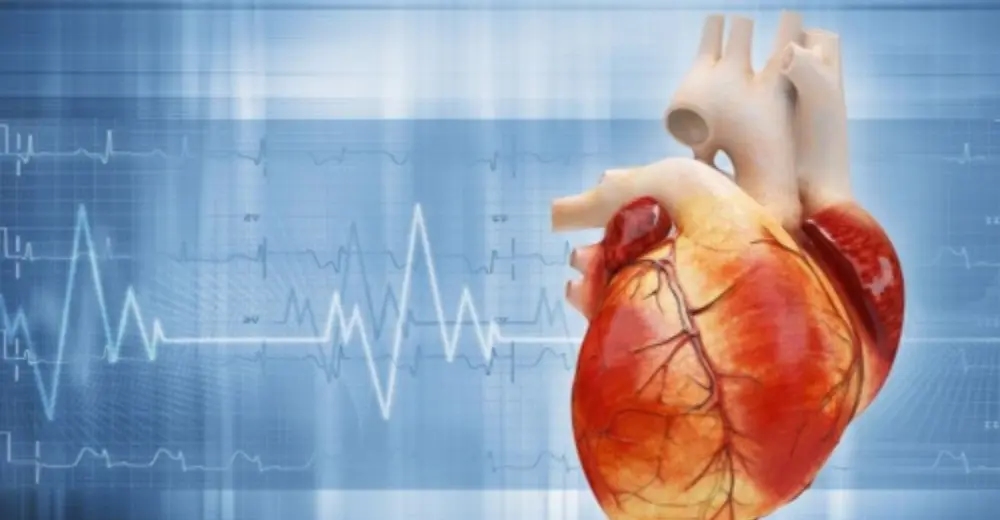
Atrial fibrillation
Atrial fibrillation (or atrial fibrillation) is one of the most common heart rhythm disorders. It is most common in the elderly, but, at the same time, it can also be observed in young people.
Our heart is a pump that has four chambers: 2 atria and 2 ventricles. They work in harmony thanks to the work of the heart's conduction system. It determines the clarity and consistency of the work of the heart chambers. Atrial fibrillation is a type of arrhythmia in which the upper chambers of the heart - the atria - lose their ability to work synchronously and coordinated. Different parts of the atria contract chaotically, and in fact, the atria are excluded from work.
Manifestations and symptoms
Atrial fibrillation is characterized by an increased, uneven heartbeat. Normally, we do not feel the work of the heart, but when there are problems with the rhythm - there is a "feeling of the heart" or "feeling of interruptions in the work of the heart". In ordinary words - a person begins to feel how his heart works, all its beats, and moreover, they are irregular. Usually the pulse in such patients is more than 100 beats per minute (although there are variants of the course of this disease without tachycardia). Other symptoms also appear: rapid fatigue, poor tolerance of physical exertion, shortness of breath, etc.
What is the cause of atrial fibrillation?
The development of AF is closely related to age (while AF, which develops at a younger age, is characterized by a hereditary predisposition). In addition to age, risk factors include:
hypertension;
ischemic heart disease;
valvular heart disease;
obesity and sleep apnea syndrome
What should be feared with atrial fibrillation?
As with any heart disease, complications should be feared. First, over time, arrhythmia leads to exhaustion of the heart and the development of heart failure. Second, the risk of thrombus formation (blood clots) increases, which can migrate to the brain with the blood flow and cause a stroke (a dangerous and even fatal complication).
How to diagnose atrial fibrillation?
Of course, if any symptoms appear, you should consult a doctor. The doctor will conduct the necessary tests, including an ECG, Holter ECG monitoring, and others.
Do not self-medicate, if symptoms appear, be sure to consult a doctor.
Take care of yourself and your heart.
Contact us
For quick appointment booking, you can use our bots on Telegram or Viber, or contact us directly by phone or email.