Cardiorespiratory test

When you have trouble breathing during exercise or feel unmotivated fatigue, doctors often look for the cause in either the heart or the lungs. But how do you know which organ is “failing”? This is where cardiorespiratory exercise testing (CPET) comes to the rescue—a modern, accurate, and safe diagnostic method.
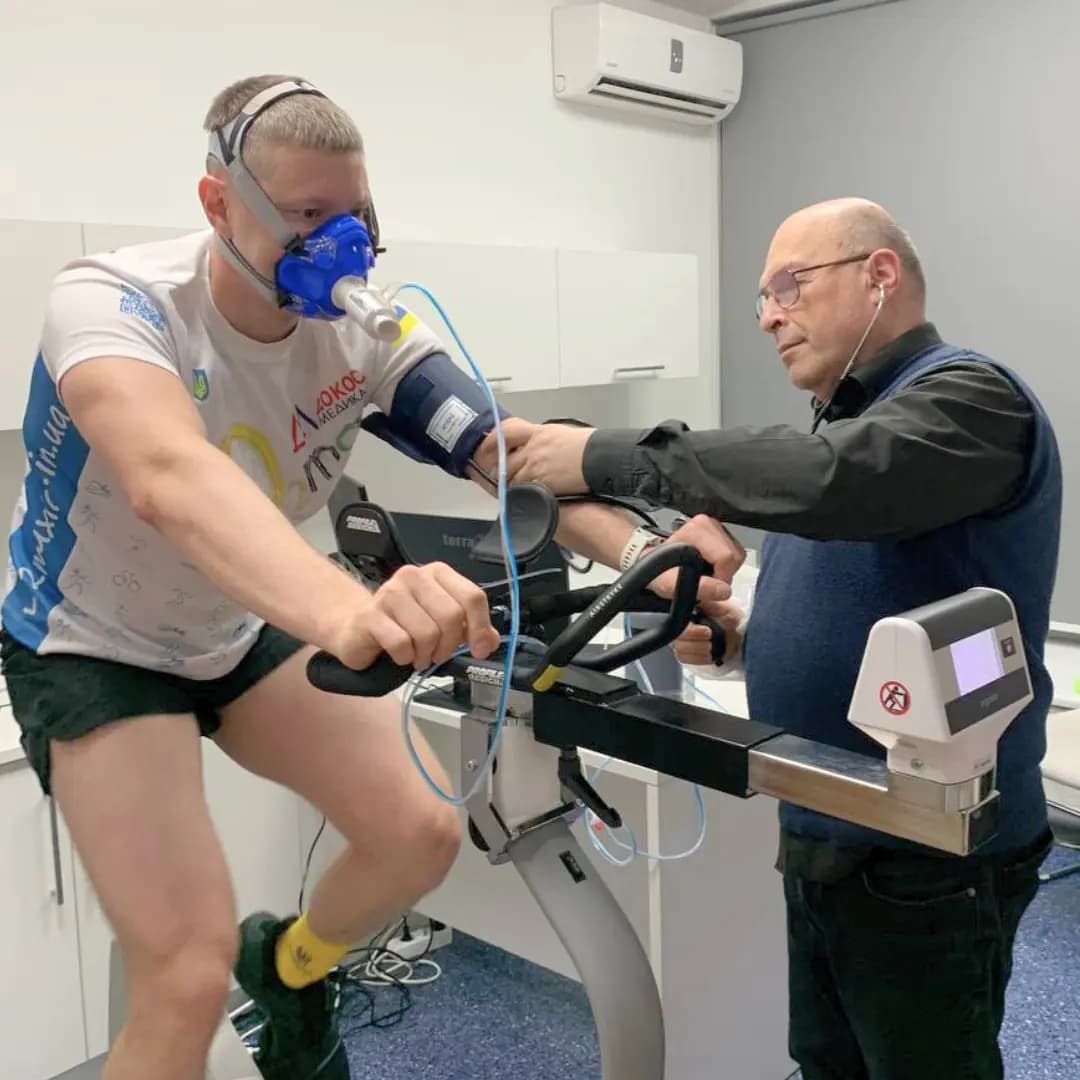
Cardiorespiratory test

Advantages of the VO2max test:

Security

Reveals not only “where it hurts”, but also “why”

Helps in complex clinical situations

Indispensable for heart failure

A guide for physical training

Objectivity and accuracy

Additional services

Cardiorespiratory test

Who needs a cardiorespiratory test?:

For athletes and people who are actively training

People with complaints of shortness of breath, fatigue, or chest pain

Patients with cardiovascular diseases

Patients with lung diseases (COPD, bronchial asthma)

People after infectious diseases, including COVID-19

People who are overweight or have low exercise tolerance

Patients in the rehabilitation phase

When is a cardiorespiratory test needed?:

Before starting physical activity or rehabilitation

For shortness of breath of unknown origin

With reduced endurance or rapid fatigue

After suffering from COVID-19 or other viral infections

To evaluate the effectiveness of training or treatment

With obesity, metabolic syndrome or concomitant diseases

If heart failure or COPD is suspected

Clinical benefits of cardiorespiratory testing:

Assessment of the patient's actual physical ability

Possibility of early diagnosis of diseases

Objective determination of load limits

Determining the effectiveness of therapy and rehabilitation

Clinical decision support

How is the examination done?

Patient preparation:

The patient wears special sensors that monitor ECG (to assess cardiac activity), pulse, blood oxygen saturation (SpO₂), and ventilation (to assess respiratory function). The patient may also use a mask to measure gas exchange (O₂ and CO₂) during exercise.

Physical activity:

The study can be conducted either on a standard ergometer or a cycling track or on equipment to which the athlete is accustomed (for example, on his own bicycle on a stationary bike or on a rowing machine).
The patient performs physical activity with a gradual increase in the intensity of the load. The load is continued until the patient reaches his maximum load or until clear signs appear to stop the test (for example, shortness of breath, weakness, dizziness), i.e., a situation is created that is even more difficult than during competition.

All indicators are measured in real time:
  • Oxygen consumption (VO₂) is a key indicator of endurance: the more oxygen the body can “use” during exercise, the better the heart, lungs, and muscles work
  • Carbon dioxide excretion (VCO₂) is a parameter that indicates how well the body “gets rid” of metabolic products
  • Heart rate
  • Tidal volume and lung ventilation
  • Blood pressure
Conclusion:

Based on the test results, a calculation of heart rate zones and a training plan are formed. This gives a complete picture of the interaction of the cardiovascular and respiratory systems under load.

Contact us

For quick appointment booking, you can use our bots on Telegram or Viber, or contact us directly by phone or email.

Cardiorespiratory exercise test (CPET) in Kyiv


Cardiorespiratory exercise testing (CPET, also known as the VO₂max test) is a stress test that measures oxygen and carbon dioxide levels in each respiratory cycle, while simultaneously recording lung ventilation, heart rate, and saturation. Unlike simple tests designed solely to determine athletes' heart rate zones (such as the Conconi) and even lactate tests, CPET provides a broader picture without the need for blood sampling and consumables - therefore, it more accurately determines your real physiological limits and reserves and makes it possible to distinguish the causes of shortness of breath.

The VO2max test is advisable to perform before the training season in order to get the best results and avoid overload.

You can take a cardiorespiratory test in Kyiv at the Docos Medical Medical Center, which is located on the Left Bank of Kyiv (Desnianskyi district, Chernihivska metro station).


Advantages of a cardiorespiratory test:

  • Detects not only “where it hurts,” but also “why”
    A regular exercise test (stress ECG) shows changes in the cardiogram: is there is ischemia, that is, a lack of blood in the heart. And CPET shows what exactly limits physical activity: a weak heart, poor lung function, insufficient ventilation, reduced muscle endurance, or even a psychological barrier.
  • Helps in complex clinical situations
    When the patient's symptoms are vague: for example, shortness of breath without an obvious cause, weakness with minor exertion, or "normal" indicators of other examinations - it is CPET that often gives the answer to where the real problem lies.
  • Indispensable for heart failure
    For patients with heart failure, CPET is the "gold standard" for assessing physical fitness. It allows you to determine the severity of the disease, assess the effectiveness of treatment or cardiac rehabilitation, and decide whether a heart transplant or implantation of a special device is needed.
  • A guide for physical training
    CPET will show exactly what physical activity is safe for you and what is already excessive. This is especially important for people with chronic heart or lung diseases, after a heart attack or surgery, and for athletes - amateurs and professionals.
  • Objectivity and accuracy
    There is no subjective assessment during the test - the device records exact numbers in real time. This eliminates the human factor and allows the doctor to see how the body reacts literally every second.
  • Safety
    CPET is performed under the supervision of a doctor, with constant monitoring of ECG, blood pressure, and breathing. If something goes wrong, the test is stopped immediately. It is safe even for patients with heart disease (of course, if the conditions are met).

Cardiorespiratory exercise testing (CPET) is not just a diagnostic test, but a powerful tool in modern personalized medicine. It allows you to look inside how your body actually works under stress, and based on accurate data, select the most effective, safe, and individual treatment or rehabilitation program.

How is a cardiorespiratory test different from a regular stress test?

  • Measures more than just the heart.
    A regular stress test analyzes only the heart's response to physical activity (heart rate, blood pressure). CRET, in turn, gives a holistic picture of the cardiovascular system, lungs and muscles at the same time. This allows you to determine whether there are limitations in breathing, metabolism or physical endurance.
  • Analyzes oxygen utilization (VO₂ max).
    The cardiorespiratory test gives you important information about the maximum level of oxygen utilization - this is a critical parameter for assessing the patient's cardiorespiratory endurance, which is not provided by a standard stress test. For example, a patient may have normal ECG readings, but CRET shows that he is not able to use oxygen effectively under load due to problems with the lungs or heart.
  • The ability to differentiate the causes of shortness of breath.
    If the patient complains of shortness of breath, a standard stress test will only give you general data about the cardiovascular response. The cardiorespiratory test, in turn, allows you to accurately determine whether the problem is in the heart, lungs or muscles. This is important for correct treatment planning, for example, when you are dealing with chronic lung diseases (COPD, asthma) or heart failure

Clinical advantages of the cardiorespiratory test:

  • Assessment of the patient's real physical capacity.
    The cardiorespiratory test gives an accurate picture of the level at which the patient can work without disrupting gas exchange and without causing stress to the body. This is important for choosing the right physical activity for patients with chronic diseases.
  • Possibility of early diagnosis of diseases.
    The cardiorespiratory test can show the first signs of heart failure, impaired lung function, or even a low level of aerobic endurance in patients without pronounced symptoms that have not yet appeared during routine examinations.
  • Objective determination of the load limit.
    In patients with cardiovascular disease or chronic lung disease, cardiorespiratory testing can accurately determine the maximum allowable level of physical activity, which helps prevent complications during training or rehabilitation.
  • Determining the effectiveness of therapy and rehabilitation.
    For patients undergoing treatment or rehabilitation after myocardial infarction, stroke, chronic obstructive pulmonary disease (COPD), CBT is an excellent tool for assessing progress, adjusting the rehabilitation program or therapy.
  • Helping with clinical decision-making.
    If you cannot understand whether a patient has limitations in the cardiac, pulmonary or muscular system, CBT will allow you to clearly determine which system needs correction. This is especially useful when managing patients with related pathologies

Our specialists

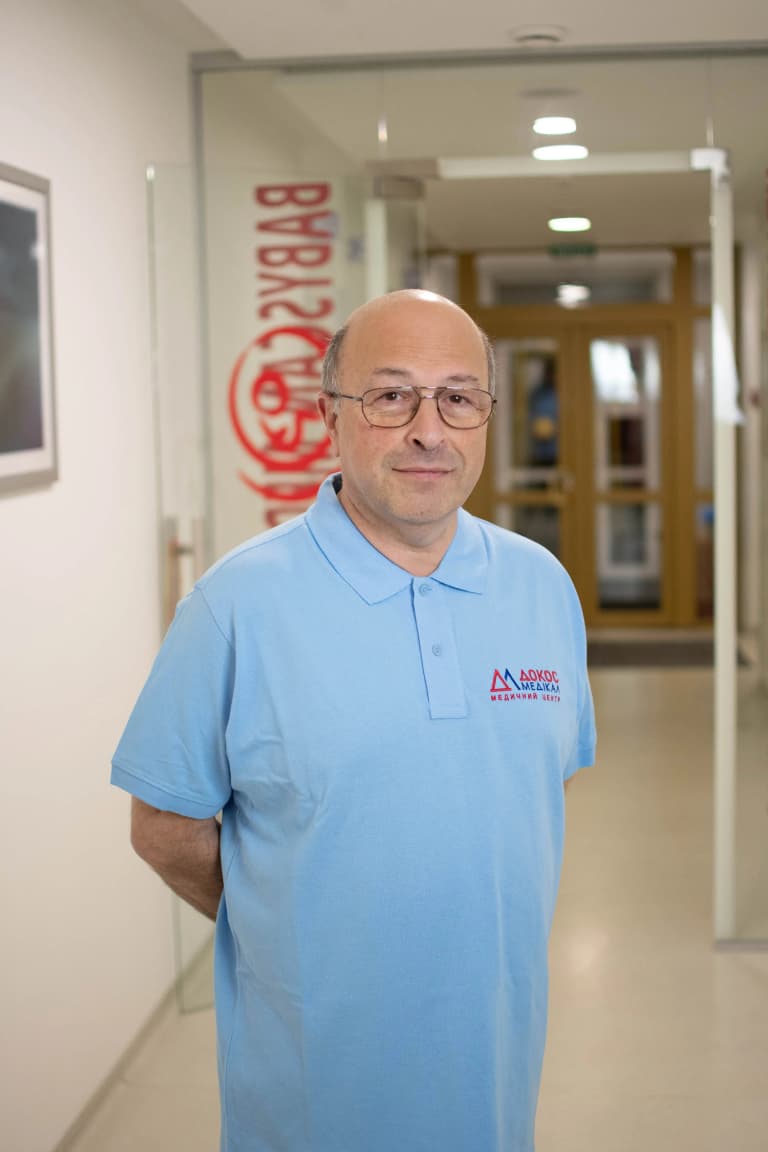
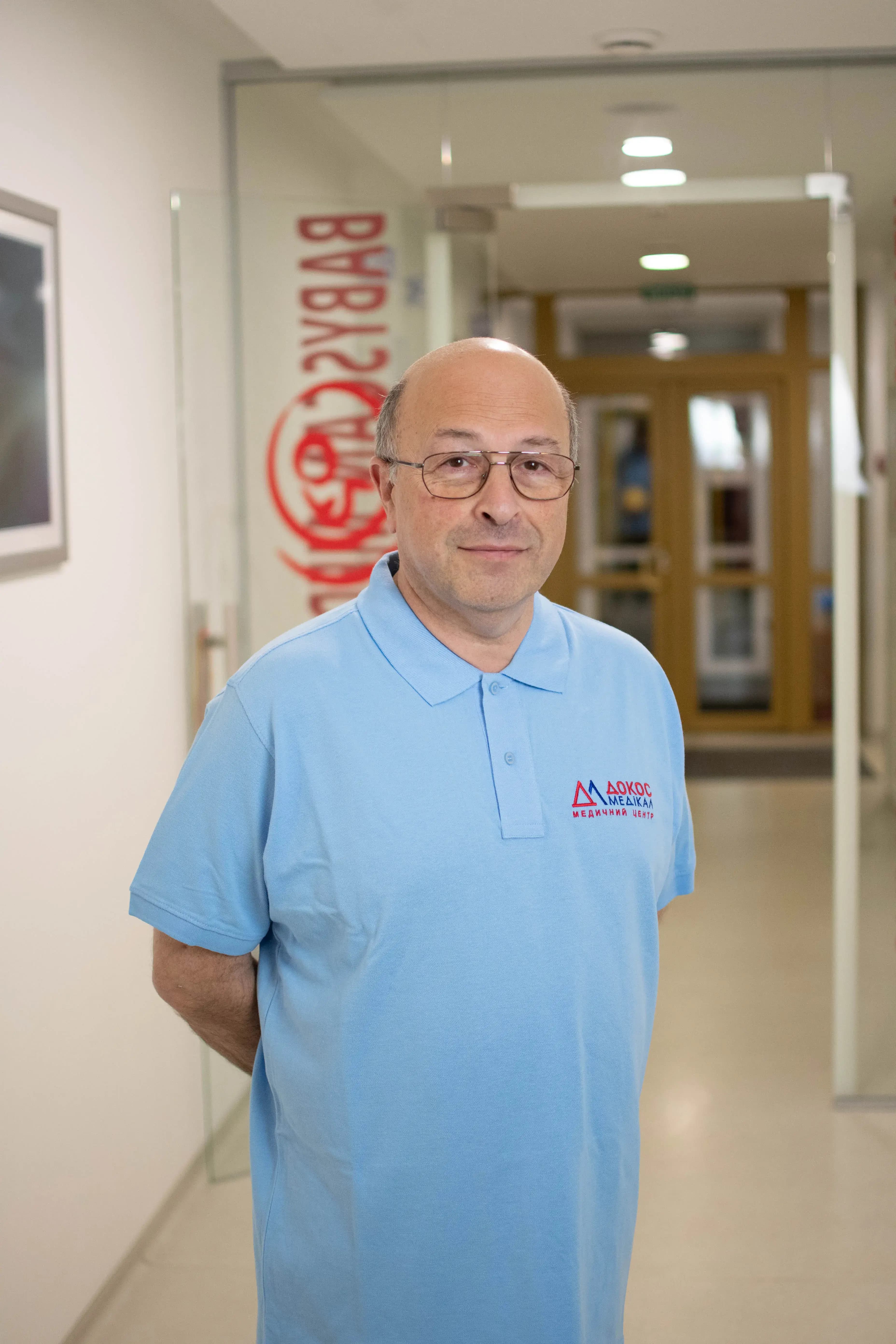
Top-level cardiologist

Gennady Kirzner

Chernihivska

Minska

Our advantages

Why we are trusted

Expertise and experience

"Doсos Medical" is a cardiology clinic. Our cardiologists are highly qualified specialists with many years of experience who are constantly improving their skills in accordance with European standards.

Modern equipment

Our clinic uses modern equipment that ensures high accuracy and detail of results.

Affordable prices

At Doсos Medical, you receive quality cardiology services at reasonable prices, making medical care accessible to everyone.

Speed ​​and accuracy of examination

The results of the study are provided as quickly as possible, which allows you to quickly receive recommendations and begin the necessary treatment.

Individual approach

Our specialists take into account the specifics of your health condition, providing recommendations based on the test results.

Convenient location

Desnyanskyi district of Kyiv – 3 minutes from Chernihivska metro station, parking available.

Service namePrice (UAH)
3000
4000

Docos Medical

Chernihivska metro station, 52 Hetman Pavla Polubotka Street

Mon-Fri from 9:00 a.m. to 7:00 p.m.

Sat from 9:00 a.m. to 4:00 p.m.

“Family doctor. Docos Medical”

Minsk metro station, Volodymyr Ivasyuk Ave., 20a (from the embankment side)

Mon-Fri from 9:00 a.m. to 7:00 p.m.

Sat from 9:00 a.m. to 4:00 p.m.

© 2025. Copyright and all rights reserved

Development and promotion